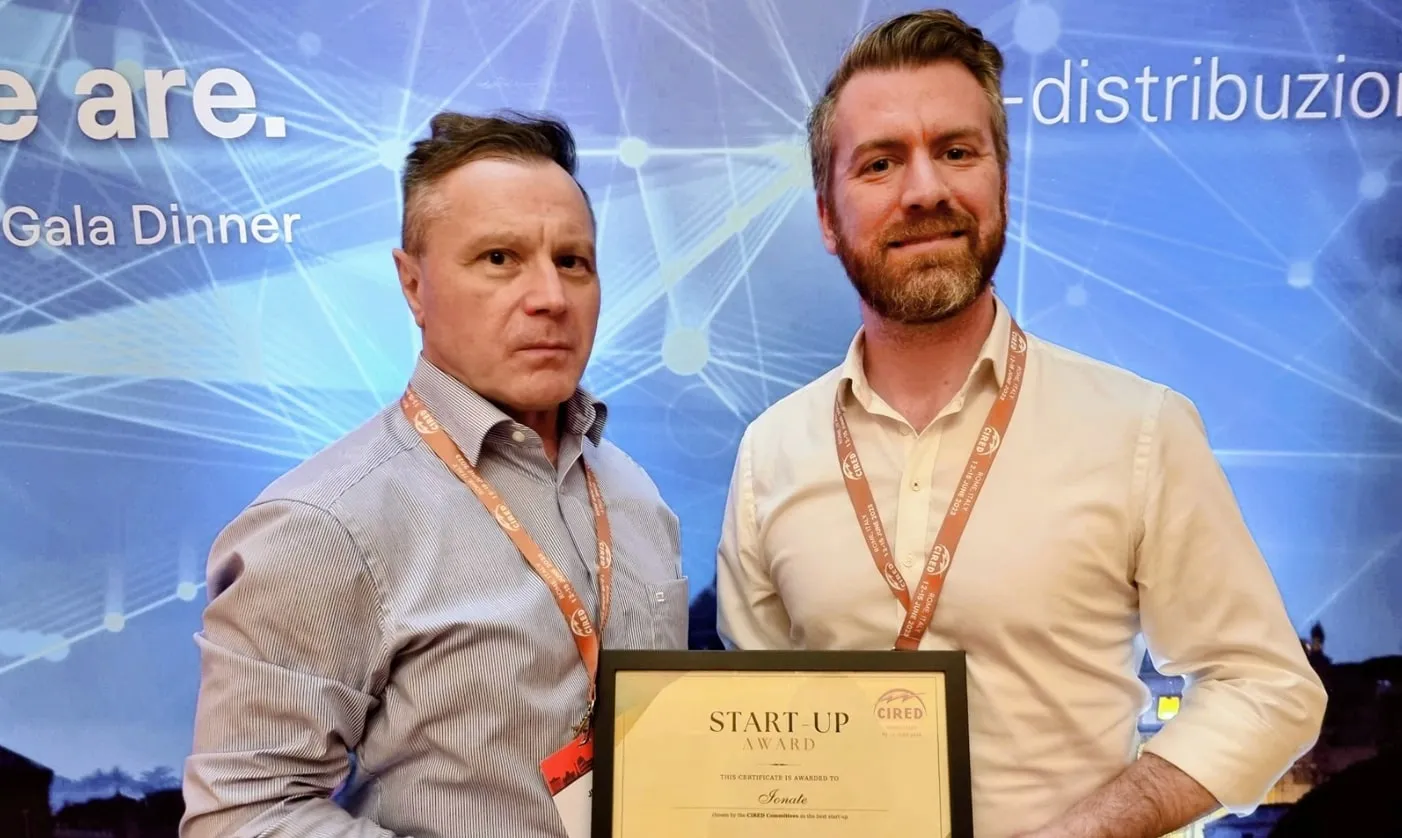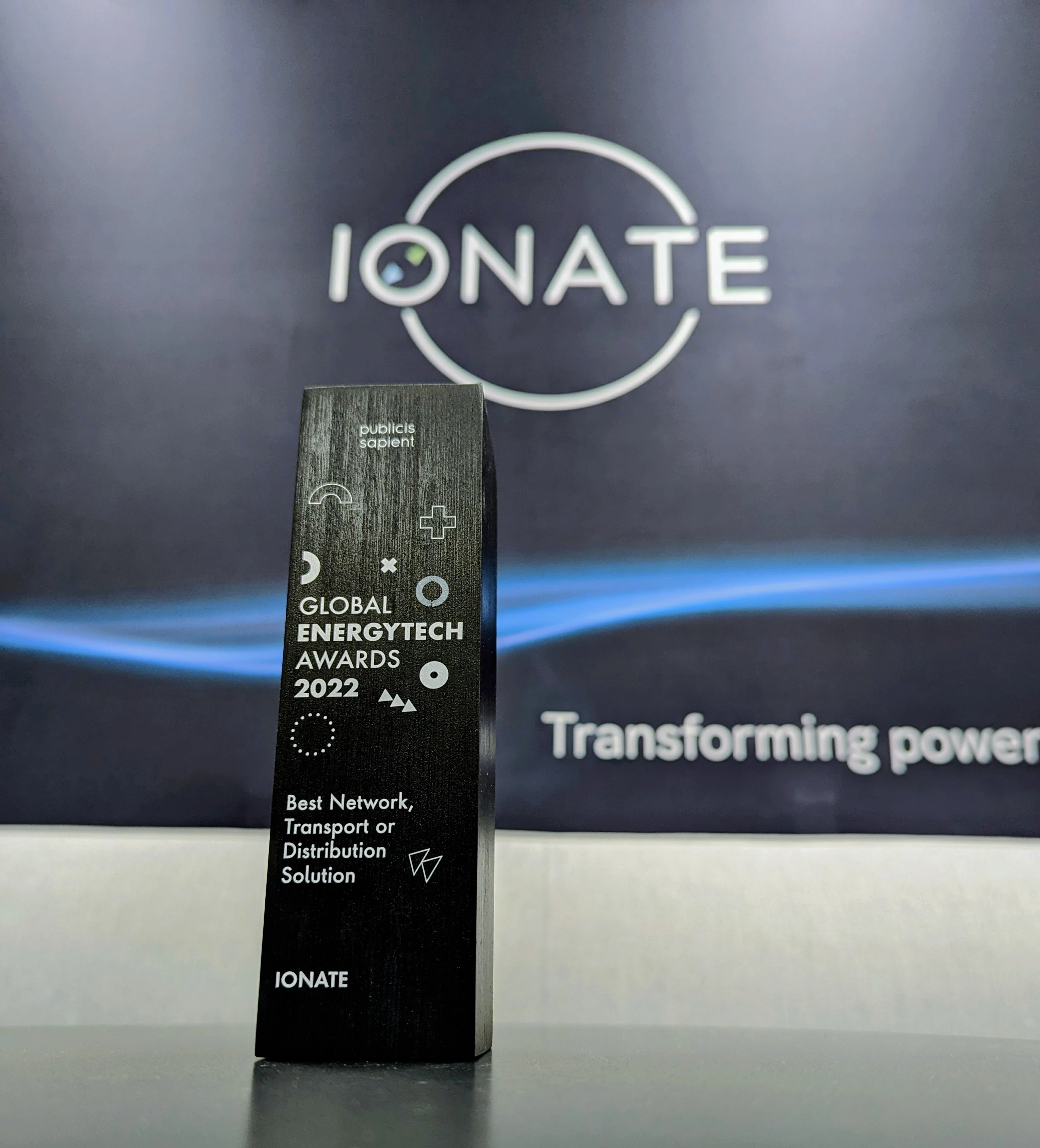

The 2025 Nobel Prize in Economics reinforced a seemingly simple truth: that innovation doesn’t happen in a vacuum. For new technology to truly change the world, it needs the right economic engine, institutions, and policy support.
The International Energy Agency (IEA) acts as an essential catalyst in this process. As the global convenor of policy and industry, the IEA translates technological progress into the frameworks that allow capital, infrastructure, and systems to move in step. Its tracks and analyses valuable data to inform policy, investment, and decision-making for governments worldwide. Importantly, it highlights issues that may be invisible by those in the ministerial trenches. Recently, that issue has been the domino effect caused by physically and technologically outdated grids and energy infrastructure.
The Grid: The Great Bottleneck
The IEA’s recent Electricity 2026 report pointed to a supply-demand paradox. On one hand, for the first time in three decades, electricity demand is outpacing global economic growth. We are entering a true “Age of Electricity”, driven by data centers, electrification of transport, heat and industrial cooling. On theother, renewables – the largest source of capacity additions today – are receiving record investments. Yet, this supply cannot meet the growing demand; it is not rare for renewables projects to stall for a decade before coming online. The reason? The grid in the middle is not ready to support neither the increased capacity of power, nor the novel power flows that come with renewables and digital consumption. The connecting infrastructure has become a bottleneck.
To remove this, we cannot simply continue building with 20th-century blueprints. We must use replacement cycles and capacity upgrades for integrating smart capabilities. The IEA frames this as a necessary shift away from grids that are merely "data-rich" but "insight-poor": networks that seeeverything but can control nothing. Strategic innovation is the shortcut; it’sthe only way to bypass legacy infrastructure delays and multiply the value of existing networks.
Mapping the Solution: Data and Power Flow
The IEA’s flagship State of Energy Innovation 2026 report identifies some of thekey areas where these new capabilities are needed: in enhanced data collection and advanced power flow control.
While the industry has looked toward Solid-State Transformers (SSTs) as a potential fix, the IEA highlights that these technologies still face significant constraints. As the 2026 report highlights,
“Challenges such as part-load losses, high cooling demand, power-quality tuning and non-traditional fault behaviour have prevented solid state transformers from achieving cost andthermal performance targets, as well as ease of integration with legacy assets.”
In contrast, the IEA points to IONATE’s hybrid solution as a more market-ready alternative. By combining the best of power electronics with proven transformer technology, IONATE offers a scalable, drop-in solution that relieves immediate infrastructure pressures without the fragility of fully electronic designs.
From the Boardroom to the Ministerial
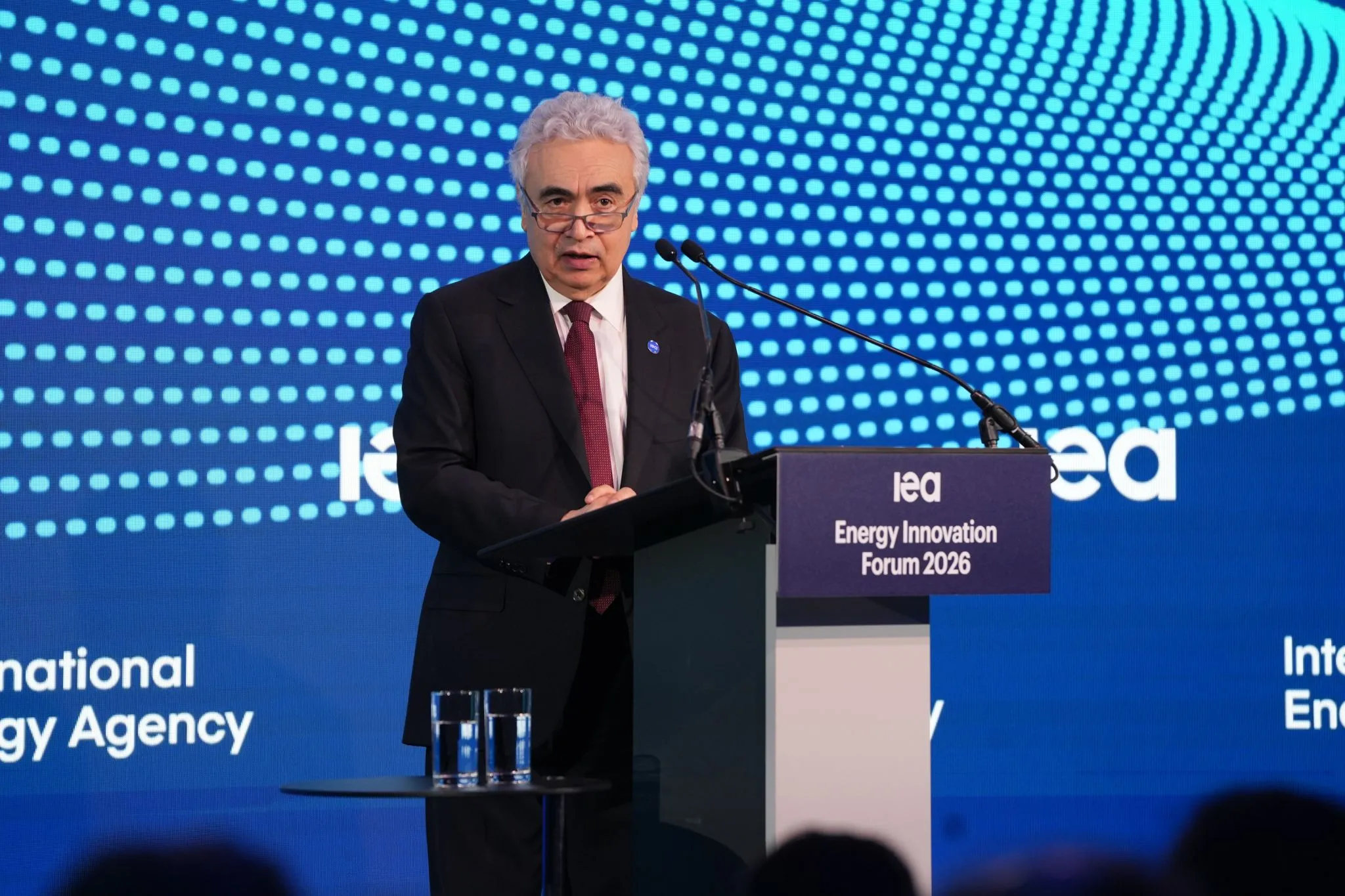
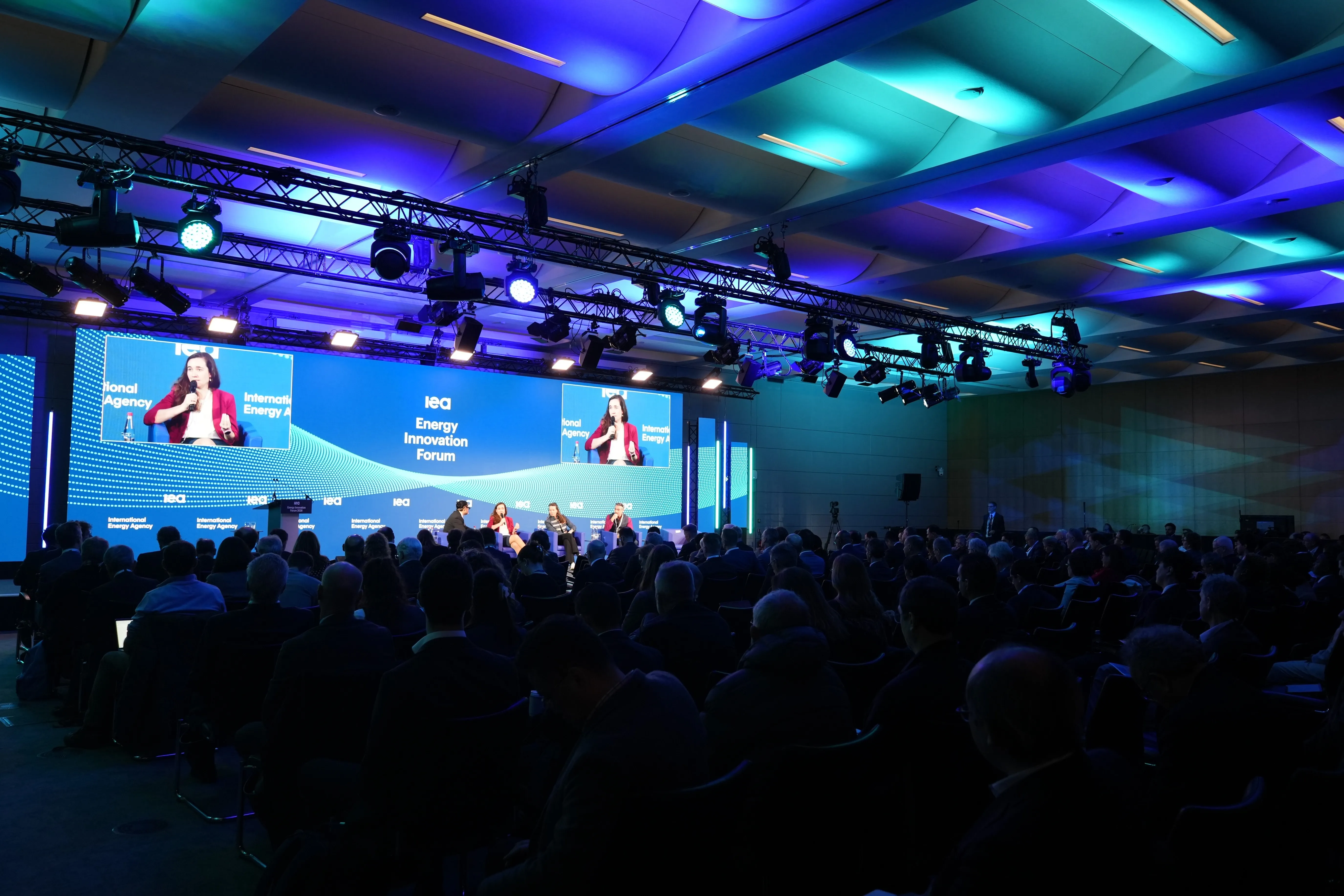
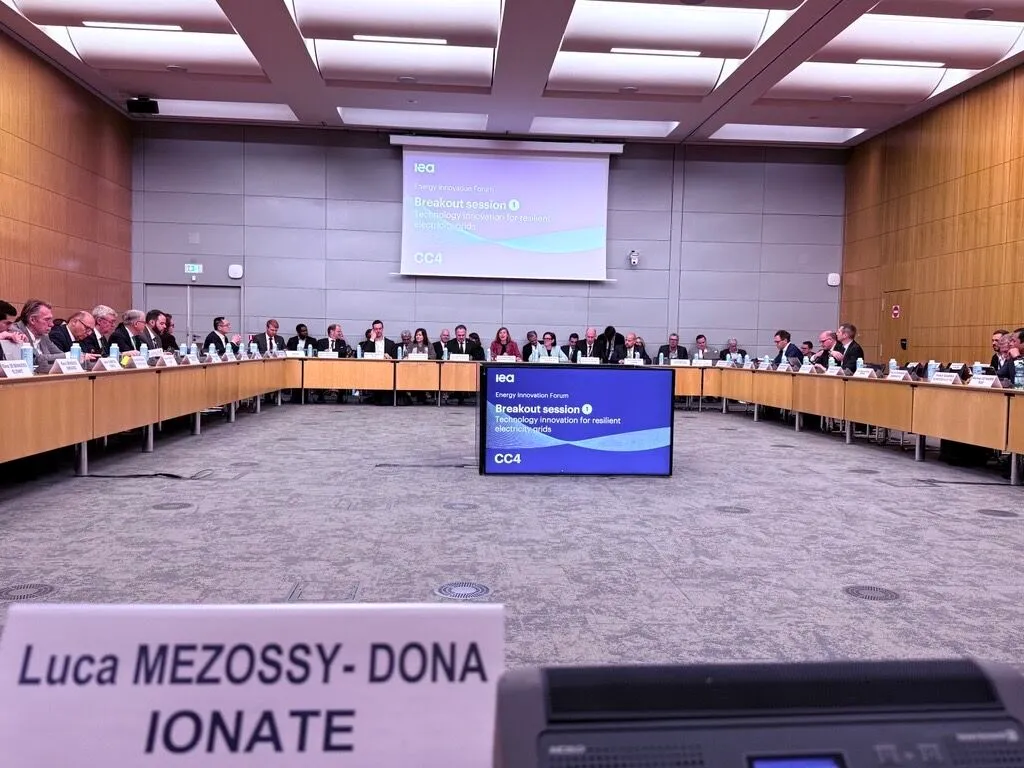
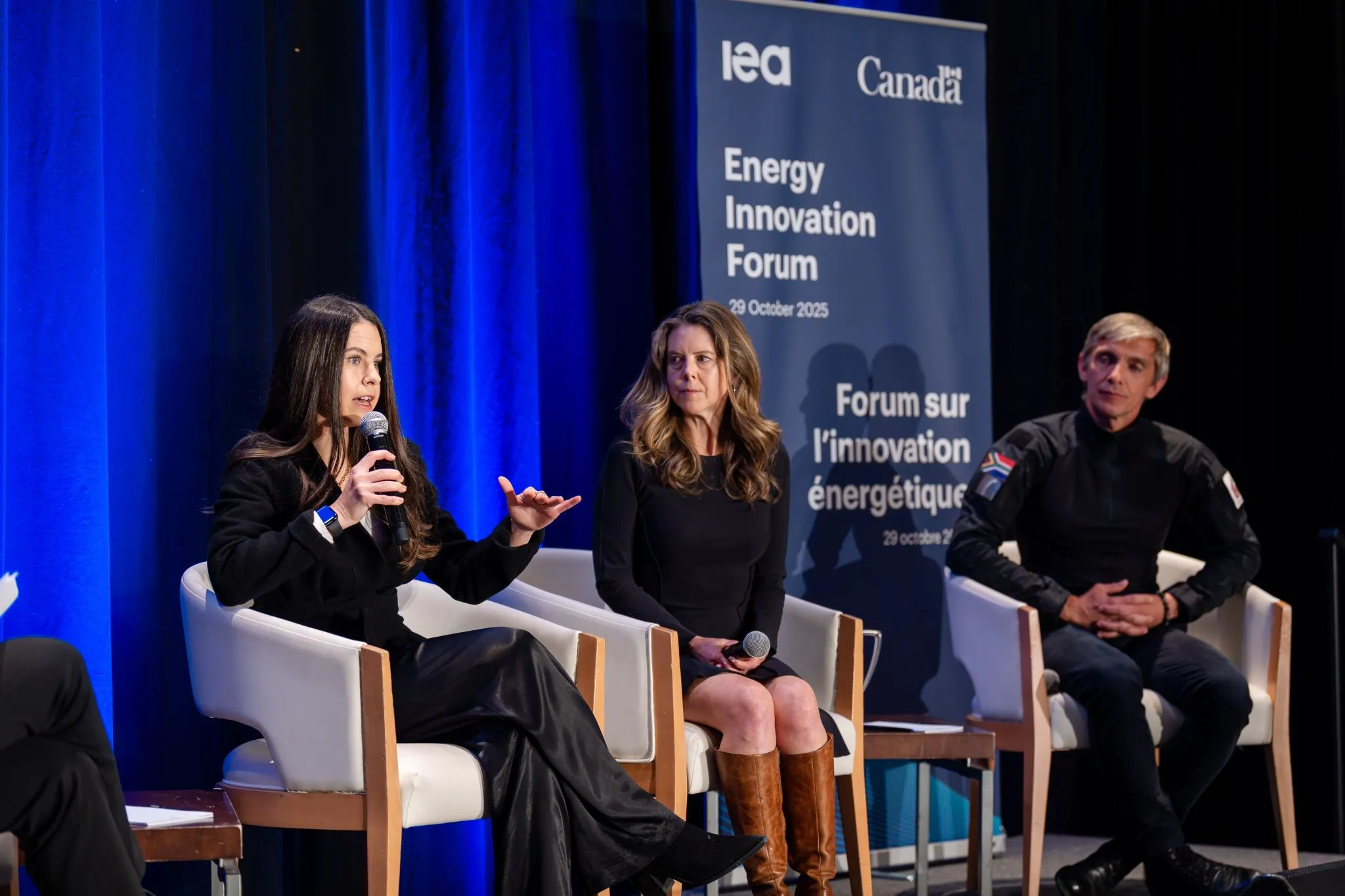
These conclusions were also the focal point of the most important energy conversations in the world this month. The IEA Forum coincided with the IEA Ministerial Meeting in Paris, where energy experts discussed these findings to make recommendations to global ministers.
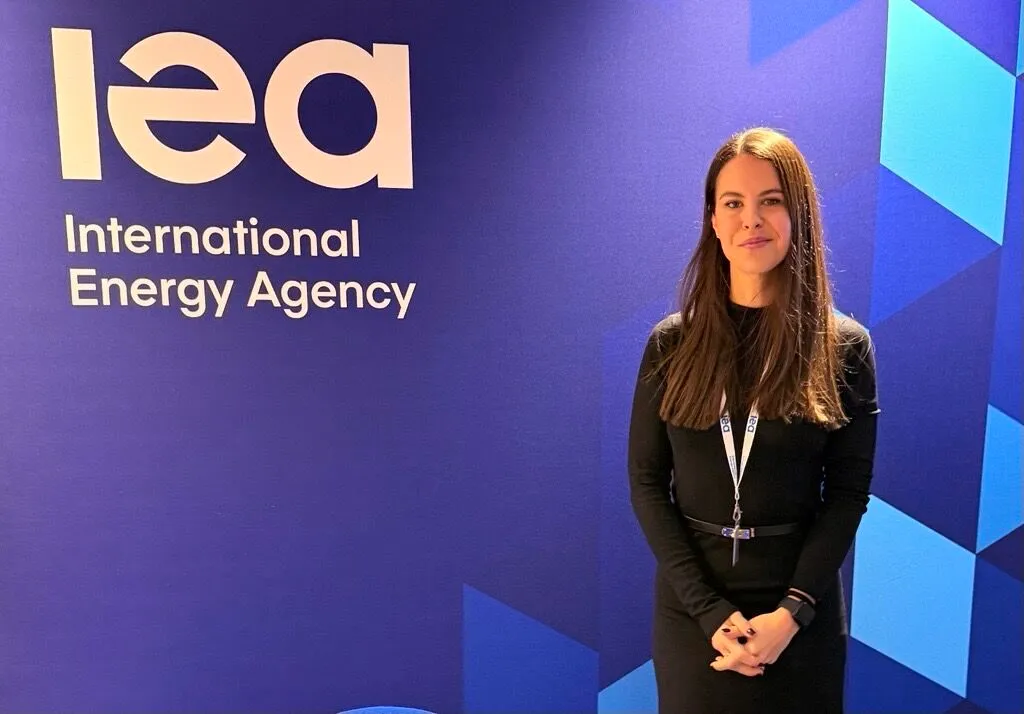
IONATE was right at the center of this ecosystem: our co-founder, Luca Mezossy-Dona, represented IONATE’s expert perspective as a member of the IEA Technology & Innovation Advisory Board. As the IEA makes clear, the challenge is no longer imagining abetter system – it’s upgrading today’s grids to scale under real-world pressure. That is the problem IONATE was built to solve.